One machine or six: how professional tattoo kits replace multiple machines
-1140x300w.jpeg "One machine or six: how professional tattoo kits replace multiple machines")
Professional tattoo artists face different demands than beginners or hobbyists. After thousands of hours behind the machine, comfort becomes as critical as power. The equipment choices working artists make directly impact their daily output, hand health, and the consistency of their work. This guide examines professional-grade tattoo kits from Vlad Blad Irons, comparing wireless and wired options to help working artists make informed equipment decisions.
The right professional setup balances three factors:
reliable performance during back-to-back sessions;
ergonomic design that prevents repetitive strain;
versatility to handle different tattoo styles without switching machines constantly.
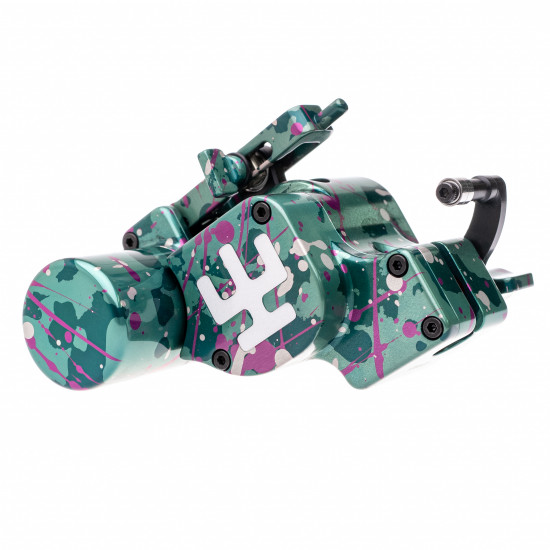 Avenger 3 Pro Seafoam Dream
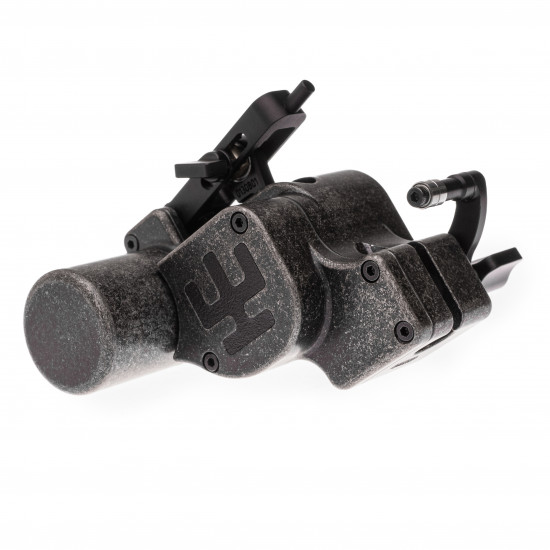 Avenger 3 Pro Sarcophagus of the God
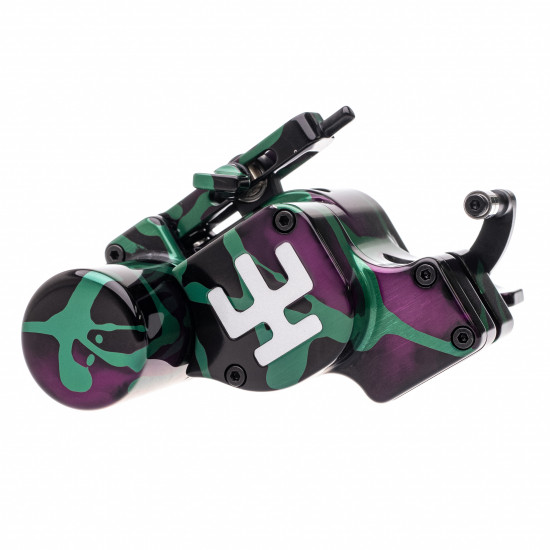 Avenger 3 Pro Polar Night
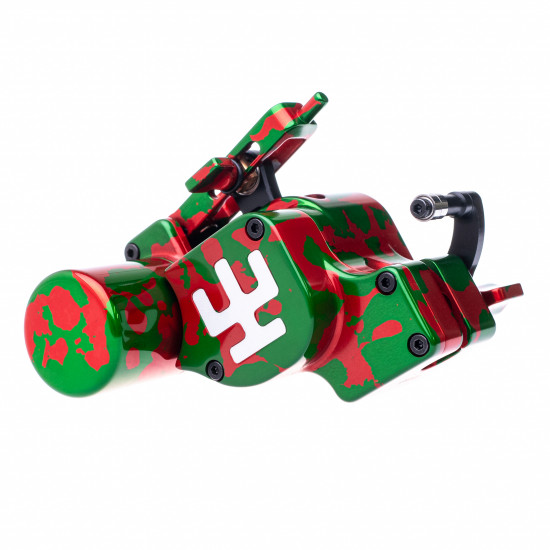 Avenger 3 Pro Hypnotoad
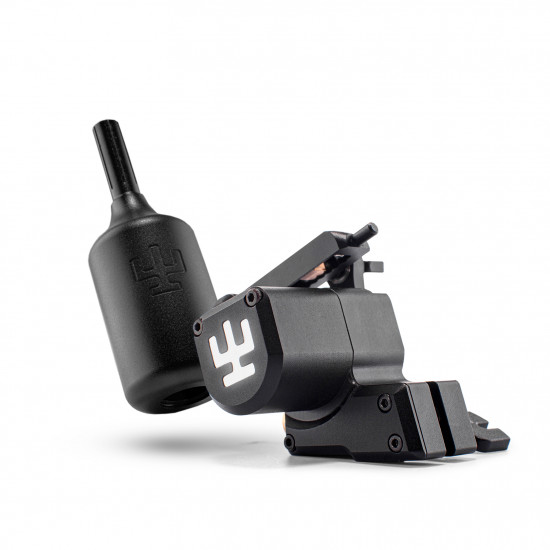 Avenger 2 Pro + Tron Cartridge Grip Aluminium
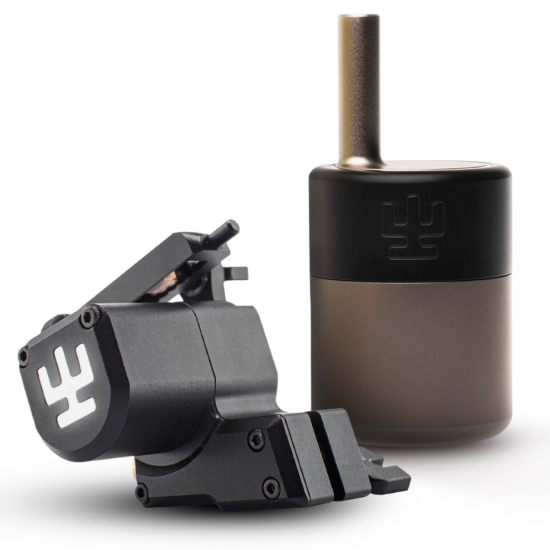 Avenger 2 Pro Tattooer's Pack + Magic Balance Grip
What professional tattoo artists actually need
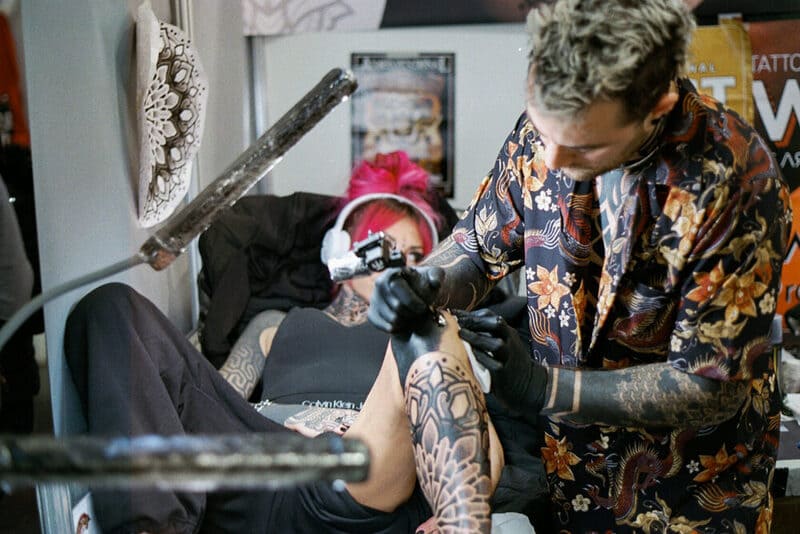
Working artists can't afford equipment that fails mid-session or causes hand fatigue. The professional standard differs significantly from beginner requirements, focusing on durability, consistency, and long-term comfort rather than just initial cost.
Power and consistency matter most
Professional machines must deliver consistent needle drive regardless of skin type or needle configuration. The difference becomes obvious when working with larger needle groupings or dense pigment packing. Machines with insufficient torque force artists to make multiple passes, increasing skin trauma and session time.
Modern brushless motors have changed this equation:
M3Pro motor delivers 12.6 watts of power in the Avenger 3 Pro;
M2 motor in the Avenger 2 Pro provides professional-grade power;
both motors maintain speed under pressure through electronic systems.
These systems detect needle resistance and adjust instantly, preventing speed drops that compromise line quality.
Ergonomics for long sessions
Hand fatigue accumulates over years of tattooing. Repetitive strain injuries develop slowly, making prevention essential rather than reactive. Weight distribution matters more than total weight. A machine that feels light but sits poorly in the hand causes more strain than a properly balanced heavier setup.
The Magic Balance Grip addresses this through offset center of gravity:
traditional grips place weight directly over the needle;
this causes the machine to tip forward during detailed work;
the shifted balance point counteracts tip-over;
artists make fewer micro-corrections throughout a session.
Versatility across different styles
Full-time artists rarely specialize in just one technique. A typical week might include fine line work, color realism, traditional bold lines, and soft shading. Switching between dedicated machines for each task breaks workflow and requires multiple power supplies.
Adjustable stroke length solves this problem more effectively than voltage adjustments. The MultiStroke technology in both Avenger models offers six stroke lengths from 3.2mm to 5.5mm, changeable in seven seconds without tools.
How different strokes perform:
short strokes (3.2mm) produce smooth graywash without pixelation;
long strokes (4.7mm-5.5mm) drive pigment deep for solid color packing and bold lines.
Wireless vs. wired: the professional perspective
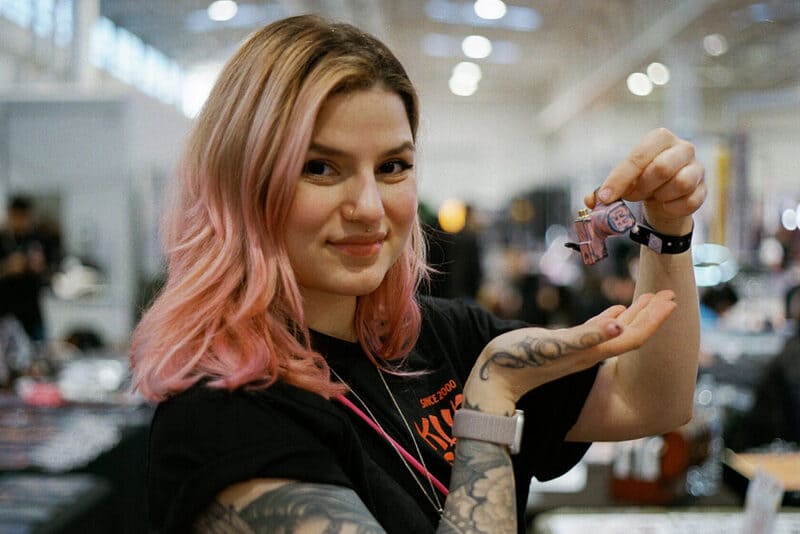
The debate between wireless and wired machines continues in professional circles. Each approach offers distinct advantages depending on working conditions and personal preference.
When wireless makes sense
Wireless machines eliminate cord drag, the subtle but constant tug that affects line quality during long pulls. This matters most for large-scale pieces requiring smooth, uninterrupted strokes. Convention artists particularly value wireless setups since booth configurations vary and power outlets may be distant or poorly positioned.
The Avenger 3 Pro battery performance:
runs 7 hours on single charge at typical settings (4.2mm stroke, 85Hz);
15-minute quick charge provides 1.5 hours of work time;
uses standard 18500 battery for easy replacement;
battery compartment opens without tools.
Why some pros still prefer wired
Wired machines never run out of power mid-session. Some artists find this reliability worth the cord management. Studios with multiple artists sharing equipment benefit from wired setups since machines stay ready without charging protocols.
The Avenger 2 Pro offers a lighter weight profile, slightly less than the Avenger 3 Pro at 134g without battery or 167g with battery. For artists who primarily work in one location with organized power setups, the wired option removes one variable from their workflow.
Battery considerations for full-time artists
Battery life depends on stroke length and frequency settings. Longer strokes and higher speeds drain power faster. Artists working primarily at 3.2mm-3.8mm for shading and color work get longer battery life than those doing heavy bold line work at 4.7mm-5.5mm.
Battery cap options:
Extended Battery Cap: accepts 18650 batteries, provides 9-12 hours;
Small Battery Cap: accepts 18350 batteries, provides 3-5 hours;
high-volume shop artists benefit from extended option;
compact size suits artists prioritizing weight and maneuverability.
Breaking down the Avenger lineup for professionals
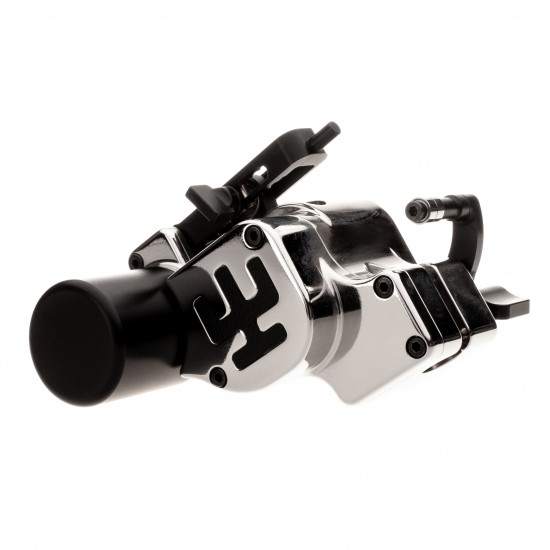
Vlad Blad Irons offers two professional-grade machines with distinct characteristics. Understanding the differences helps artists match equipment to their specific working style.
Avenger 3 Pro: the wireless powerhouse
This machine combines wireless convenience with professional-grade power systems. The DirectPower motor control unit maintains consistent performance, while StableHit technology prevents speed drops when needle pressure increases during difficult skin sections. These electronic systems particularly benefit artists working with challenging placements like ribs, feet, or heavily scarred skin.
Advanced features that matter:
SkinResponse spring-loaded mechanism extends needle dwell time slightly at high speeds;
reduces trauma while increasing pigment density;
Antigravity magnetic system counters cartridge membrane resistance;
drives more pigment per pass than standard rotary machines.
Weight distribution becomes critical during multi-hour sessions. At 167g with battery, the Avenger 3 Pro falls into the mid-weight category. The Magic Balance Grip option adds adjustable weight through the CoreStack system, allowing artists to configure total weight from 87g to 167g depending on the task.
Avenger 2 Pro: wired reliability
The wired version eliminates battery considerations entirely. The M2 motor provides ample power for professional work, though slightly less than the M3Pro. The same MultiStroke technology appears in both models, offering identical stroke adjustability.
Studios with established power supply infrastructure may prefer the Avenger 2 Pro for apprentice stations or as backup machines. The performance difference between the two motors becomes noticeable primarily during aggressive packing with large magnums or extremely long sessions where motor heat buildup matters.
MultiStroke technology explained
Traditional machines require disassembly to change stroke length. Artists typically own multiple machines set at different strokes for lining, shading, and color. MultiStroke technology consolidates this into a single machine.
The six preset strokes cover the full professional range:
3.2mm setting runs at 100-130Hz: ideal for smooth graywash shading with minimal skin irritation;
3.5mm at 85-115Hz: delicate graywash shading and smooth color packing;
3.8mm at 80-110Hz: general purpose for color packing and fine to medium lines;
4.2mm at 70-110Hz: quick color packing and medium to big lines with great whip shading;
4.7mm at 60-100Hz: super fast solid color packing and aggressive whip shading;
5.5mm at 30-70Hz: maximum power for bold traditional work.
Choosing your grip configuration
Grip selection affects comfort, visibility, and control during tattooing. The three available options serve different working styles and physical preferences.
Magic Balance Grip for precision work
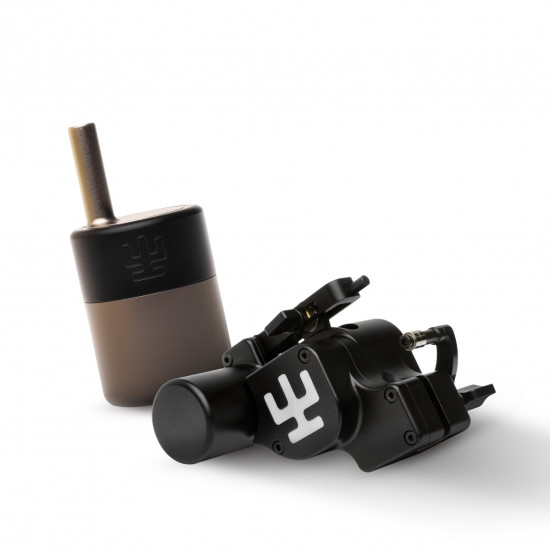
The 38mm diameter typically blocks visibility, forcing artists into uncomfortable neck positions to see the needle. The Magic Balance Grip solves this through offset cartridge placement, keeping the needle in sight at natural working angles.
The CoreStack Weights system uses swappable brass loads inside the aerospace aluminum body:
87g configuration: for fast hand speed and light detail work;
123g and 133g: for general purpose fine-tuning;
167g: for lining and whip shading where additional weight stabilizes long pulls.
Needle depth adjustment remains accessible and smooth despite the offset design. The grip fits all standard cartridges and works with both Avenger models.
Battery cap options: small vs. extended
The Small Battery Cap reduces total machine length and weight, improving maneuverability during intricate work. The 3-5 hour runtime suits artists working half-day sessions or splitting time between multiple machines. Convention artists doing flash-style smaller pieces find this configuration ideal since they can charge during breaks between clients.
The Extended Battery Cap adds bulk but delivers 9-12 hours of continuous work. Full-day artists, particularly those working on large-scale projects, avoid mid-session charging concerns.
Tron Grip for minimalists
The Tron Cartridge Grip is the lightest option available, making it ideal for maximum maneuverability. Artists who prefer minimal grip diameter choose this configuration. The aluminum construction maintains durability while reducing weight.
This grip suits artists with smaller hands or those who developed their technique on lightweight pen-style machines. The reduced diameter compared to the 38mm Magic Balance Grip allows different finger positioning, though it sacrifices the ergonomic benefits of the balanced design.
Which pack suits your practice best
Different working environments demand different equipment priorities. Matching your pack configuration to your actual daily practice ensures maximum value from your investment.
High-volume shop artists
Artists working 8-10 hour days need equipment that maintains performance without degradation. The Avenger 3 Pro with Extended Battery Cap and Magic Balance Grip provides the longest runtime and best ergonomics for marathon sessions. The weight distribution prevents hand fatigue accumulation, while the extended battery eliminates charging interruptions.
The full warranty covers one year on wireless components and rotary parts, with proper maintenance extending operational life significantly beyond warranty periods. Artists should plan for eventual battery replacement as part of regular equipment maintenance.
Guest spot and convention workers
Mobility and quick setup matter more than maximum runtime for traveling artists. The Avenger 3 Pro with Small Battery Cap reduces pack weight and physical footprint. The wireless design eliminates extension cord requirements and navigates tight booth spaces more easily than corded setups.
Travel-friendly features:
3-5 hour runtime typically covers a full convention day;
lunch break charging supplements battery life;
standard 18350 battery charges in any portable USB charger;
allows in-car or hotel room charging between days.
Studio owners building their station
Studio owners outfitting multiple stations face different considerations than individual artists. The Avenger 2 Pro offers professional performance at lower cost, making it practical for apprentice stations or backup machines. The wired design removes battery management from the equation when multiple artists share equipment.
Mixing Avenger 3 Pro for senior artists and Avenger 2 Pro for support stations creates a versatile studio setup. Both machines accept the same grips and use identical MultiStroke interfaces, allowing artists to switch stations without relearning controls.
Making the investment work
.jpeg)
Professional equipment represents a significant financial commitment. Understanding the true cost of ownership and knowing when to upgrade ensures artists get maximum value from their investment.
Cost vs. longevity
Professional equipment costs more initially but distributes that cost across years of daily use. The Avenger 3 Pro construction uses aerospace-grade aluminum (partially recycled) with reinforced mechanical parts designed for long-term professional use. The brushless motor design experiences less wear than traditional coil machines, which require regular tuning and part replacement.
Artists should calculate cost per session rather than total purchase price. A machine lasting five years of full-time work with minimal maintenance provides better value than cheaper equipment requiring replacement every 18-24 months. The modular battery design allows component replacement rather than complete machine replacement when battery capacity eventually degrades.
What warranties actually cover
The warranty structure reflects expected professional use:
one year coverage: wireless equipment, rotary components, and grips;
two years: power supplies (acknowledging longer typical lifespan);
three years: coil machines on all parts.
Warranties exclude damage from misuse, impact, liquids, or unauthorized modifications. Professional artists should maintain backup equipment regardless of warranty coverage, since repairs require shipping time that interrupts work schedules. The 14-day return window allows artists to test equipment thoroughly before committing.
When to upgrade your setup
Equipment upgrades make sense when current tools limit performance rather than when newer models simply exist. Artists working primarily at one stroke length gain little from MultiStroke technology. Those experiencing hand fatigue benefit more from ergonomic grip upgrades than motor power increases.
The transition to wireless makes most sense for artists already comfortable with their technique and seeking workflow refinement rather than skill development. Beginners benefit more from consistent equipment during the learning phase. Experienced artists transitioning from other manufacturers should test the grip configurations thoroughly, as the Magic Balance design requires slight technique adjustment during the first few sessions.
Conclusion
Professional tattoo artists need equipment that performs consistently across long sessions, multiple styles, and varying skin conditions. The Vlad Blad Irons lineup addresses these requirements through adjustable stroke technology, ergonomic grip options, and reliable power systems.
Wireless configurations suit mobile artists and those seeking maximum freedom from cord management. Wired options provide unlimited runtime and simplified maintenance for studio-based work. Grip selection depends on personal technique:
Magic Balance Grip prioritizes ergonomics and visibility;
Tron Grip emphasizes lightweight maneuverability.
The investment in professional-grade equipment pays dividends through improved work quality, reduced physical strain, and longer equipment lifespan compared to entry-level alternatives. Working artists should evaluate their actual usage patterns, session lengths, and physical comfort needs rather than defaulting to maximum specifications or minimum cost options.