Short to long: Navigate Vlad Blad's complete stroke range
Have you ever wondered why some tattoos look crisp and flawless while others appear patchy or inconsistent? The answer often lies in one of the most crucial yet overlooked settings on your tattoo machine: stroke length.
Understanding stroke length is like mastering the heartbeat of your tattoo machine. It influences everything from how smoothly your shading blends to how boldly your lines pop. Whether you're a beginner just starting out or an experienced artist looking to refine your technique, getting a solid grasp on stroke length will transform your work.
In this comprehensive guide, we'll break down everything you need to know about tattoo machine stroke length—what it is, how it works, and most importantly, how to choose the right stroke for every style and skin type you encounter.
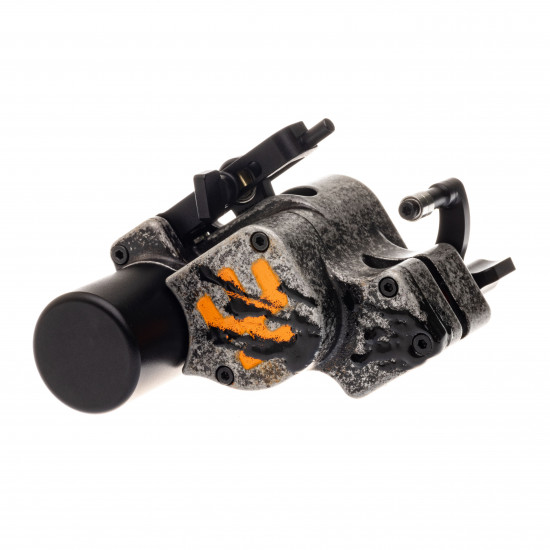 Avenger 3 Pro Old Petroleum
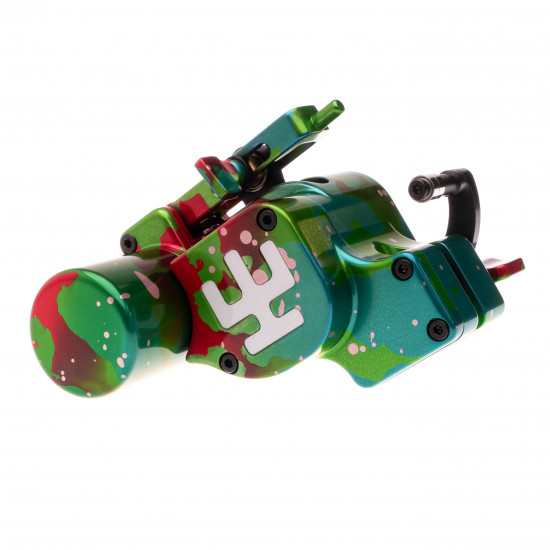 Avenger 3 Pro Mushroom Trip
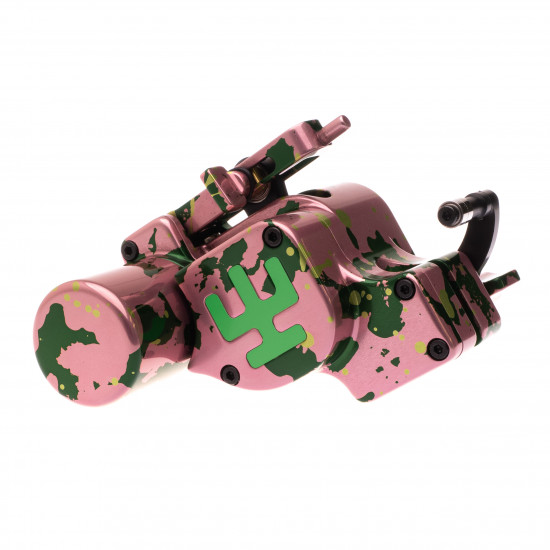 Avenger 3 Pro Morning Rose
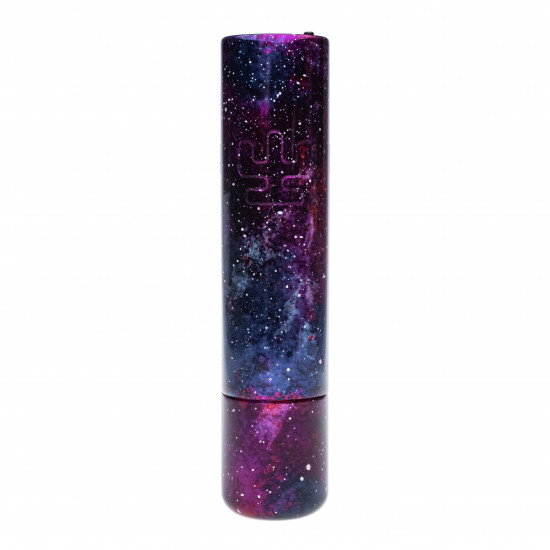 Ultron 3 Space
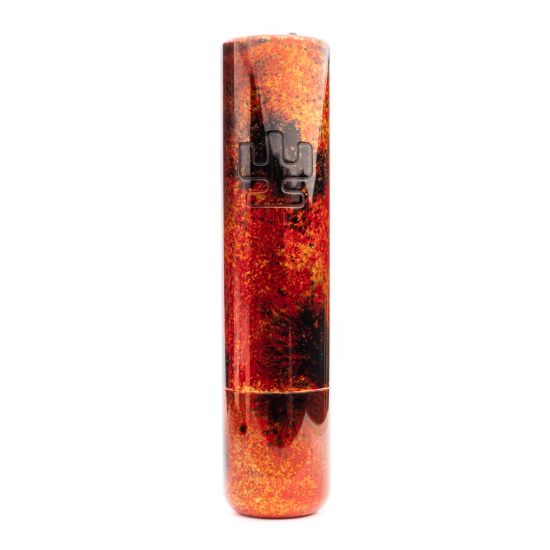 Ultron 3 Firestarter
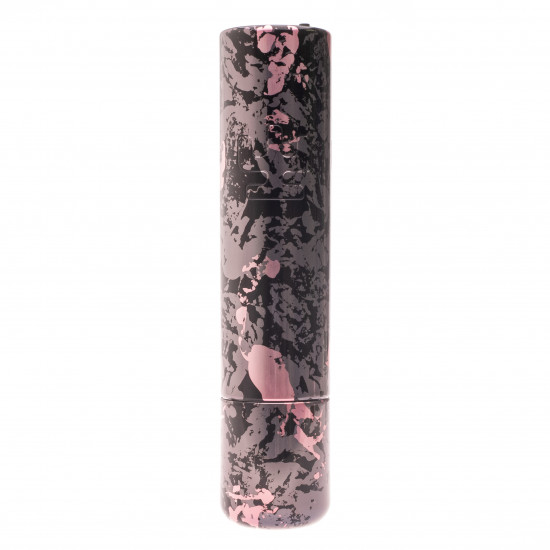 Ultron 3 Camo Grey Pink
What is stroke length?
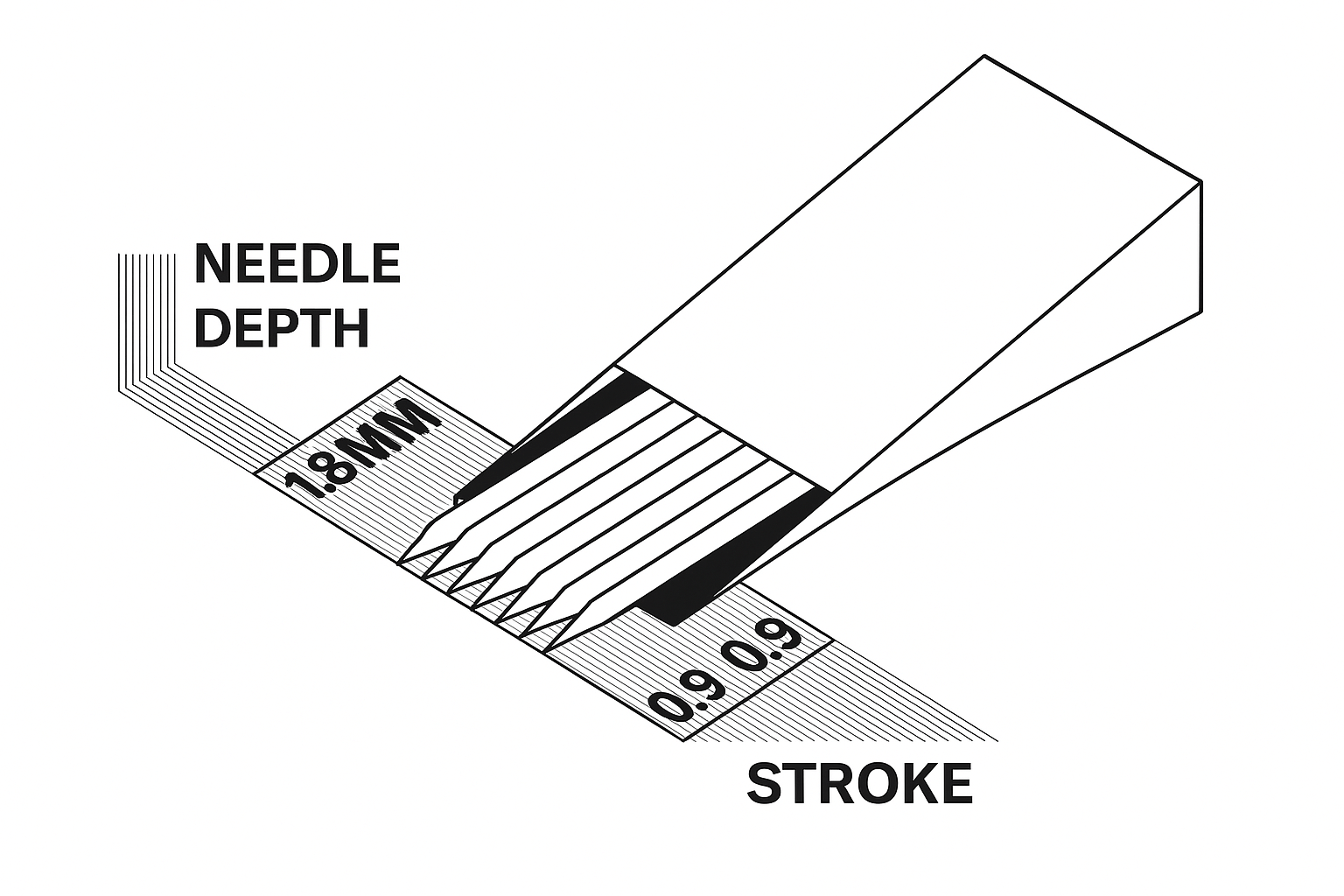
Stroke length (sometimes called "throw") refers to the distance your needle travels during one complete cycle of your machine's operation. Think of it as the needle's journey from its highest point to its lowest point and back again.
For coil machines, stroke length is the distance the armature bar travels from its most upright position to its most down position. For rotary machines, the stroke refers to the amount of travel required for one rotation of the cam wheel.
This measurement is typically expressed in millimeters, ranging from as short as 3.2mm to as long as 5.5mm or more. The stroke length is determined by the mechanical design of your machine—specifically, the position of the bearing relative to the center of the cam wheel in rotary machines, or the gap settings in coil machines.
Stroke length vs needle depth: understanding the difference
One of the most common sources of confusion for tattoo artists is mistaking stroke length for needle depth. These are two entirely separate settings that serve different purposes.
Stroke length is the internal mechanical travel distance of your machine's components. It's a fixed parameter set by the machine's mechanism and determines how far the needle moves during each cycle.
Needle depth (also called "needle throw") refers to how far the needle protrudes from the tube or cartridge tip. This is what you adjust manually by changing the needle position or the distance of the machine from the skin.
Here's the key distinction: stroke length is determined by the machine's mechanical design and cannot be changed without modifying the machine itself. Needle depth, however, is what you adjust during your work by moving the machine closer to or farther from the skin with your hand.
While these settings are independent, they work together. If the needle throw is longer than the needle stroke, the needle won't retract into the cartridge tip and pick up more ink. This means you need to consider both when setting up your machine for optimal performance.
For a deeper dive into how stroke length works mechanically across different machine types, check out our detailed guide on Understanding Stroke Length for Coil & Rotary Tattoo Machines.
From 3.2mm to 5.5mm: Vlad Blad stroke types and their best uses
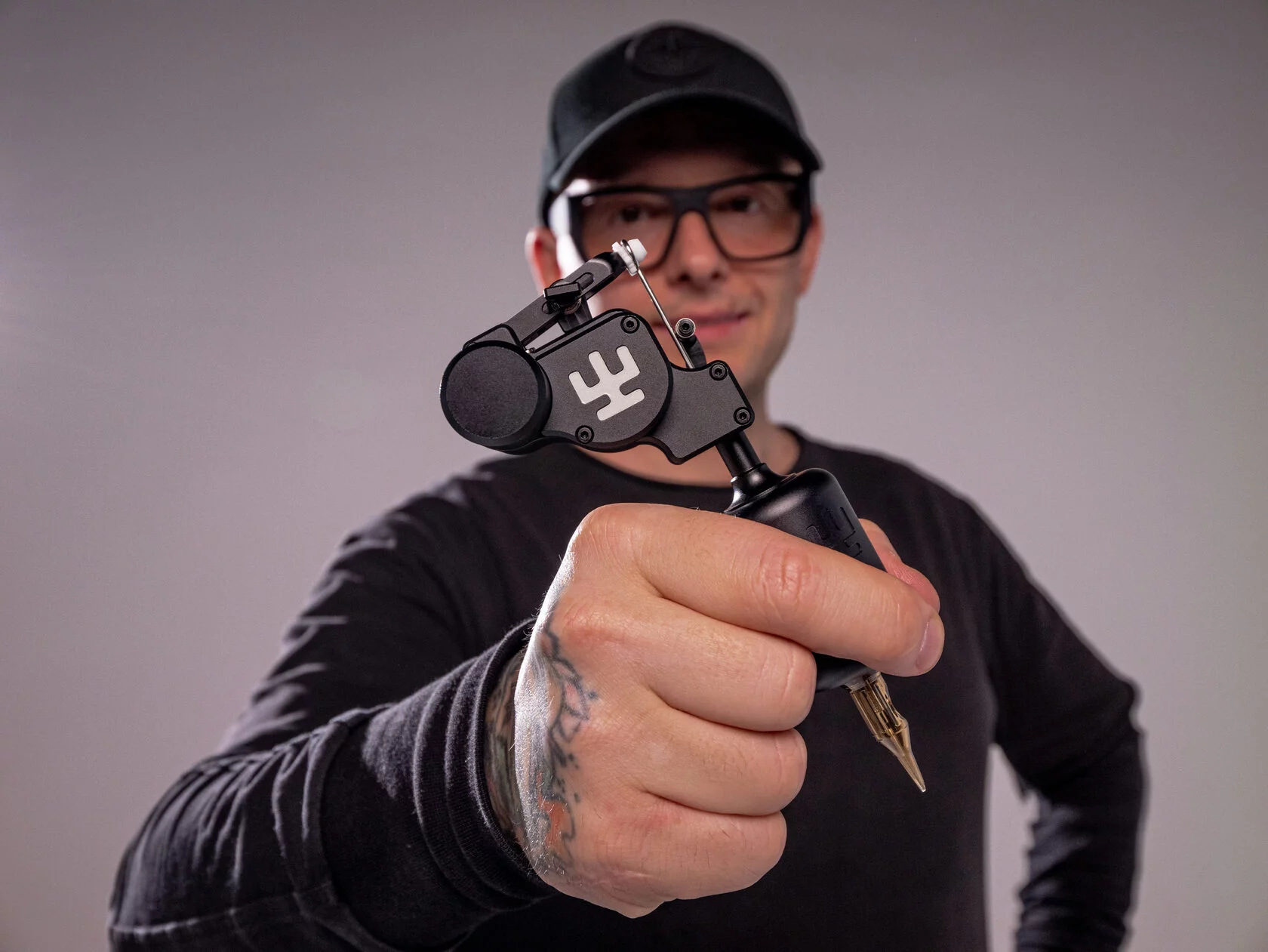
Vlad Blad offers a comprehensive range of stroke lengths, from 3.2mm to 5.5mm, allowing artists to find the perfect setting for their work. Each stroke type is engineered to excel in specific applications, and understanding how to match your stroke to your work is essential for achieving professional results. Let's break down the three main categories available in Vlad Blad's equipment:
Short stroke (3.2mm - 3.7mm)
Short stroke machines are the gentle giants of the tattoo world. They move the needle through smaller distances, allowing for more controlled application and reduced tissue trauma.
Best for:
Soft black and grey shading.
Delicate work on sensitive areas.
Building up layers with multiple passes.
Fine detail work with small needle groupings.
Cosmetic and detail-oriented tattooing.
Portrait and realism work.
Short strokes create less skin trauma, allowing you to build up shading gradually without overworking the skin. They're perfect for achieving smooth, seamless blends in realistic and portrait work. The precision they offer makes them invaluable for detail-oriented artists. However, they require more passes to achieve coverage compared to longer strokes, which means longer session times for color packing projects.
Medium stroke (3.8mm - 4.0mm)
Medium stroke length is widely used by tattoo artists and represents the sweet spot for versatility. Many artists find this range ideal for their work because it bridges the gap between gentleness and power.
Best for:
General-purpose tattooing.
Versatile work combining lining and shading.
Color packing.
Working with medium-sized needle groupings.
Artists who prefer one machine for multiple techniques.
Hybrid style work.
A medium stroke offers enough power for clean lines with smaller needle groupings while still being gentle enough for shading work. It's the ideal starting point for beginners and remains a reliable choice for experienced artists who value adaptability. This stroke length is the most commonly chosen because it handles both fundamental techniques effectively.
Long stroke (4.2mm - 5.5mm)
Long stroke machines are the powerhouses designed for bold, aggressive work. They're engineered to deliver maximum force and efficiency for demanding applications. Long stroke machines deliver more force because they have greater mechanical travel.
Best for:
Bold traditional and neo-traditional work.
Heavy outlining.
Working with large needle groupings (magnums and large round liners).
Single-pass lining.
Deep color saturation.
Aggressive cover-up work.
Fast coverage on large areas.
When working with a stroke length of 4.2mm and beyond, you've got enough power to pack in a lot of ink efficiently with fewer passes. This makes long strokes ideal for speed-dependent work. However, this increased power comes with a trade-off: long strokes cause more skin trauma, making them unsuitable for delicate shading work or multiple-pass techniques on sensitive areas. The trade-off is worth it when you need to execute bold work with precision and efficiency.
How stroke length affects your tattooing
Stroke length influences nearly every aspect of your tattooing performance. Understanding these effects will help you make informed decisions about which stroke to use for each project.
Impact on skin trauma
The longer your stroke, the more force your needle delivers to the skin. This increased momentum means deeper penetration and greater tissue disruption. While this can be advantageous for packing color or creating bold lines, it also means you need to work more carefully to avoid overworking the skin.
Short strokes deliver gentler hits that allow for multiple passes without excessive trauma. This makes them ideal for delicate areas or when building up gradual shading effects.
Effect on working speed and efficiency
Stroke length directly impacts how quickly you can complete various tasks. Larger strokes allow you to cover more area with each pass, speeding up coverage work and color packing. With a shorter stroke, you'll need more passes to achieve the same coverage, which can extend your working time.
Finding the right balance between stroke length and working speed is essential for efficiency without compromising quality or causing unnecessary skin trauma.
Influence on ink saturation
The stroke length affects how far your needles retract into your tube tip or cartridge reservoir, where they pick up more tattoo ink. Longer strokes allow needles to retract deeper, picking up more ink with each cycle. This results in better saturation and more efficient color packing.
Shorter strokes limit how much the needle retracts, which means less ink pickup per cycle. This can be advantageous for subtle shading but may require more frequent dipping or more passes when working with very short strokes.
Compatibility with different needle groupings
Your stroke length must match your needle configuration. Large needle groupings (like 15-magnum shaders or thick round liners) require the power of longer strokes to effectively penetrate the skin. Attempting to use these groupings with too short a stroke will result in poor ink deposition and frustrating performance.
Conversely, small needle groupings (single needles, 3-round liners, or tiny magnums) work best with shorter to medium strokes. Using an excessively long stroke with small needles will cause unnecessary trauma without any benefit.
Choosing the right stroke for your work
Selecting the appropriate stroke length depends on multiple factors: your tattooing style, the client's skin type, and the specific technique you're employing.
For different tattooing styles
Black and grey realism: short to medium strokes (3.2mm - 4.0mm) excel at creating smooth gradations and soft shading without damaging delicate skin textures.
Traditional and neo-traditional: long strokes (4.2mm - 5.5mm) provide the power needed for bold outlines and solid color packing that define these styles.
Fine line and minimalist work: short strokes (3.2mm - 3.7mm) offer the precision and control necessary for crisp, clean lines in small-scale designs.
Realistic color portraits: medium to long strokes (4.0mm - 4.7mm) provide versatility for both smooth shading and adequate color saturation.
Adjusting for skin type
Different skin types respond differently to various stroke lengths:
Thick, resilient skin (common on backs, thighs, and calves) can handle longer strokes without excessive trauma. The extra power helps ensure proper ink deposition.
Thin, delicate skin (found on ribs, inner arms, and neck) requires shorter strokes to minimize damage and reduce client discomfort.
Aged or sun-damaged skin is more fragile and benefits from shorter strokes with multiple gentle passes rather than aggressive single-pass techniques.
Heavily tattooed skin (coverups and reworks) may require longer strokes to effectively deposit ink through scar tissue, though this requires careful assessment.
Why not all machines have changeable strokes
Not every tattoo machine offers the ability to change stroke length. There are several practical reasons for this:
Mechanical complexity: changeable stroke systems add mechanical complexity to the machine design, increasing manufacturing difficulty and cost.
Equipment weight and size: machines with adjustable stroke systems tend to be larger and heavier than fixed-stroke alternatives. Artists who prioritize portability and lightweight equipment may prefer machines with fixed strokes.
Diverse product range: by offering both fixed-stroke and changeable-stroke machines, manufacturers provide options for different needs and budgets. Not every artist requires stroke adjustment capability.
Proven performance: many accomplished tattoo artists work exclusively with a single stroke length for years, producing diverse, high-quality work without ever needing to change their stroke.
Recommended strokes for beginners
If you're just starting out in tattooing, choosing your first stroke length can feel overwhelming. Here's practical guidance:
For your first machine: start with a medium stroke like 4.2mm. This stroke length offers enough versatility to practice both lining and shading without requiring multiple machines. It provides a solid foundation for developing your skills.
As you develop your style: consider expanding your toolkit with both a shorter stroke (3.5mm - 3.7mm) for softer work and a longer stroke (4.7mm - 5.5mm) for bolder techniques. This three-stroke approach gives you comprehensive coverage for most tattooing scenarios.
For specialization: once you identify your preferred style, invest in strokes optimized for that work. Detail-oriented artists might focus on shorter strokes (3.2mm - 3.7mm), while traditional artists might build a collection of longer stroke options (4.5mm - 5.5mm).
Advanced considerations about stroke length
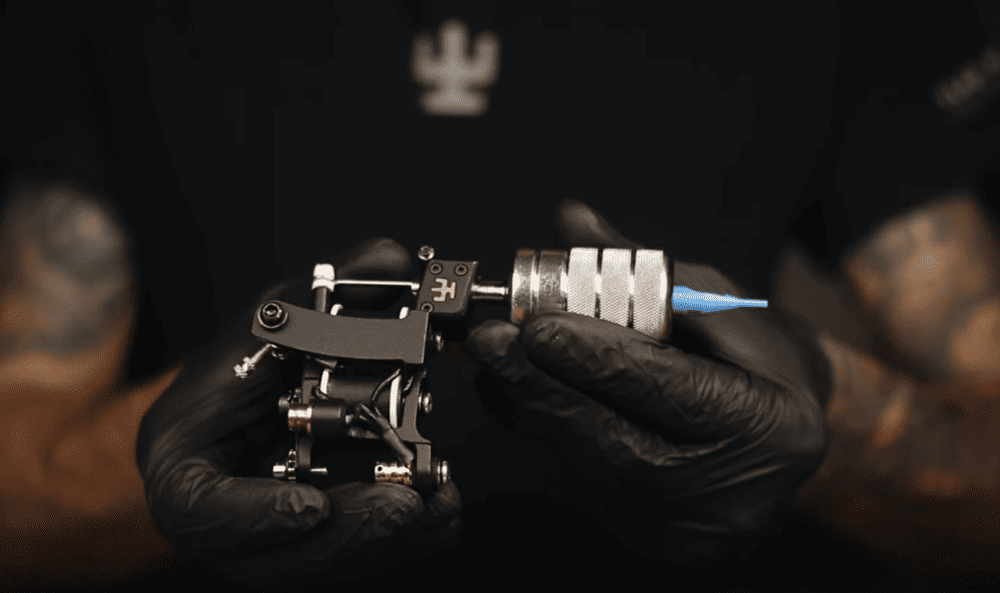
Beyond the basics, several less obvious factors relate to stroke length that experienced artists should understand:
Battery life implications
Longer strokes require more energy because the motor must move components through a greater distance with more force. If you want to maximize your machine's runtime on a single charge, use the shortest stroke that adequately serves your technique.
For example, if you can complete the same work with equal quality using either a 4.2mm or a 3.7mm stroke, choosing the 3.7mm option will extend your battery life noticeably over a full day of tattooing.
Cartridge compatibility
Not all cartridge needles can withstand long stroke lengths. Cartridge manufacturers use different designs for the internal membrane that holds the needles, varying in length, elasticity, and durability.
When working with strokes of 4.5mm or longer, you may encounter cartridges that fail prematurely—the membrane tears, or the needle configuration becomes unstable. This isn't a machine problem; it's a compatibility issue between the cartridge design and the stroke length.
If you notice consistent cartridge failures with a particular brand at longer strokes, you have two options: switch to a more robust cartridge brand or reduce your stroke length. Different manufacturers engineer their cartridges with different stroke tolerances in mind.
Relationship between stroke and voltage
Your machine's voltage setting interacts with stroke length. A longer stroke at the same voltage will feel more powerful because the needle has more momentum. Conversely, you might run a shorter stroke at slightly higher voltage to achieve similar hitting characteristics.
This relationship means you can sometimes compensate for stroke length limitations by adjusting voltage, though there are limits to this approach. Understanding this interaction allows for more nuanced machine tuning.
Making the transition between different strokes
Switching between stroke lengths requires adjustment in your technique. The machine will feel different in your hand, and your usual hand speed and angle may need modification.
When moving to a longer stroke, slow your hand movement. The increased power means you need fewer passes, so rushing can cause overworking. Pay special attention to your needle depth—longer strokes require proper needle protrusion to ensure ink pickup and skin penetration.
When switching to a shorter stroke, prepare to make more passes to achieve the same coverage. Your hand speed can increase slightly because each hit is gentler. Ensure your needle depth is appropriate for the shorter stroke to prevent running out of ink mid-pass.
Give yourself time to adapt when changing strokes. Practice on synthetic skin until the new stroke feels natural before working on clients.
Common mistakes with stroke length
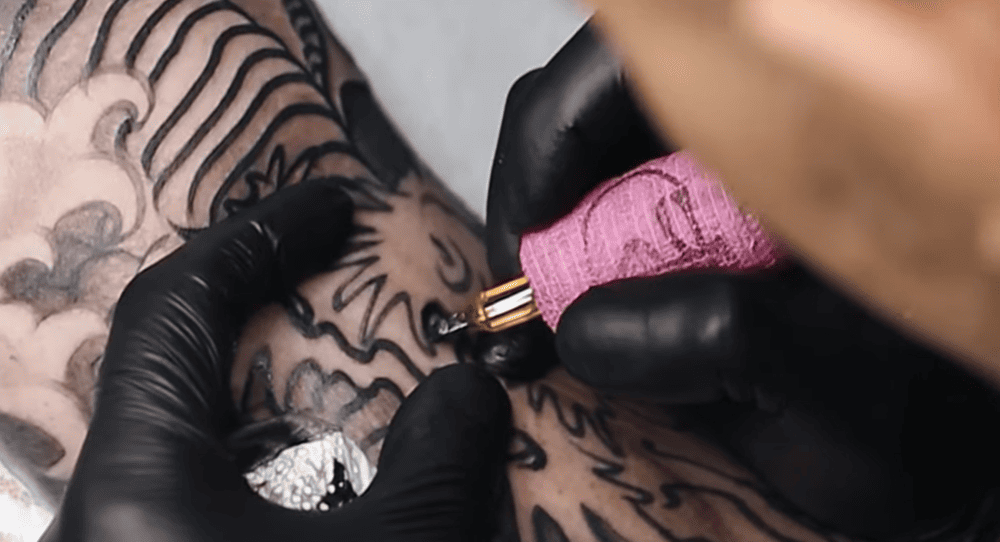
Avoiding these frequent errors will save you frustration and improve your results:
Using too long a stroke for delicate work: bold traditional artists sometimes struggle when attempting fine line or portrait work because they're using a 4.5mm+ stroke. The excessive power makes subtle shading nearly impossible.
Using too short a stroke for bold work: artists comfortable with soft shading sometimes try to execute heavy traditional work with a 3.2mm stroke, resulting in weak lines and poor saturation.
Not adjusting technique when changing strokes: your hand speed, angle, and pressure must adapt to different stroke lengths. What works with a 3.8mm stroke won't work identically with a 4.7mm stroke.
Ignoring skin type: the same stroke that works beautifully on thick back skin might cause excessive trauma on delicate inner arm skin.
Attempting intermediate settings: don't try to position your adjustable machine between marked settings. Use only the designated positions to ensure proper mechanical function.
Adjusting stroke while machine is running: never change stroke length during operation. Always turn off the machine first, make your adjustment, secure it firmly, and then resume work.
Conclusion
Stroke length is a fundamental setting that shapes how your tattoo machine performs. From the gentle precision of a 3.2mm stroke to the aggressive power of a 5.5mm stroke, mastering this parameter expands your artistic capabilities across all styles and skin types.
Start with the versatile 4.2mm stroke as you build your foundation. As your experience grows, expand your toolkit to match your developing style. Remember that exceptional artists create stunning work with just one or two stroke lengths—what matters is truly understanding the tools you use.
Always prioritize client skin health and healing. The right stroke length creates beautiful tattoos with minimal trauma, ensuring clean healing and lasting results. Experiment, practice extensively, and pay attention to how stroke changes affect your work. This dedication transforms stroke length from a technical specification into an artistic advantage that defines your practice for years to come.